A Field Guide to the English Bulldog

“A bulldog doesn't walk into a room, it arrives, and then it negotiates whether it's staying.” — Willem Terpstra, fictional breeder, Rotterdam

A face built for stubbornness, a heart built for cuddling

The English Bulldog was originally bred for bull-baiting, a fact that explains the low centre of gravity, the powerful jaw, and the general refusal to be moved once it has decided a spot on the sofa belongs to it. When the sport was banned in the nineteenth century, breeders reshaped the dog's temperament entirely, keeping the tenacity but dialling the aggression down to almost nothing. What's left is one of the most good-natured breeds around: a dog that will stare down a vacuum cleaner with real menace and then fall asleep against your leg five minutes later.

Bulldogs are famously undemanding. They don't need acres to run in, they don't need three walks a day, and they will not judge you for a lazy Sunday. That reputation for laziness is only half true, though — a bulldog is calm by temperament, not by health, and that distinction matters more than most owners expect.

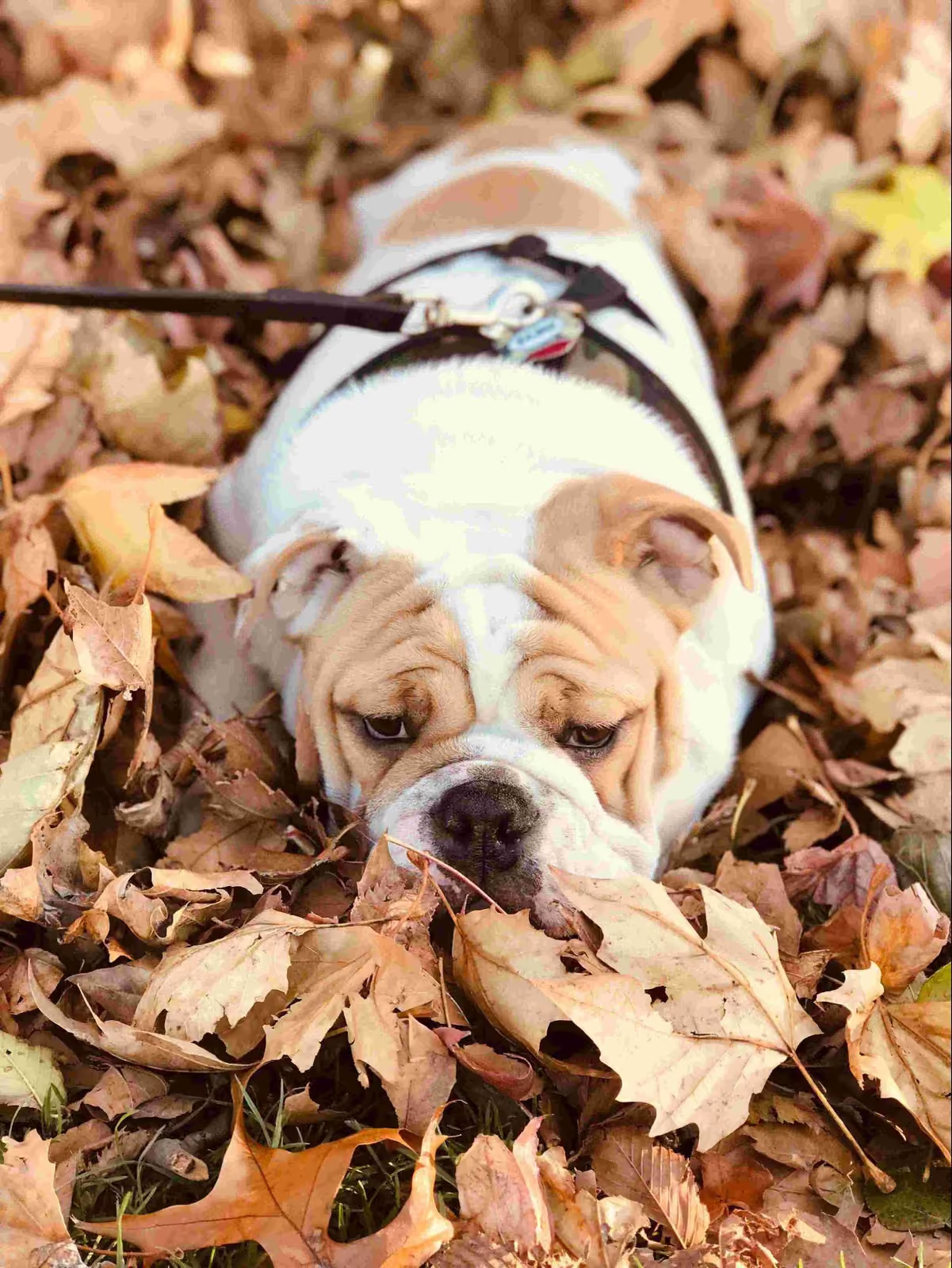
English Bulldog puppy lying in a pile of autumn leaves on a leash
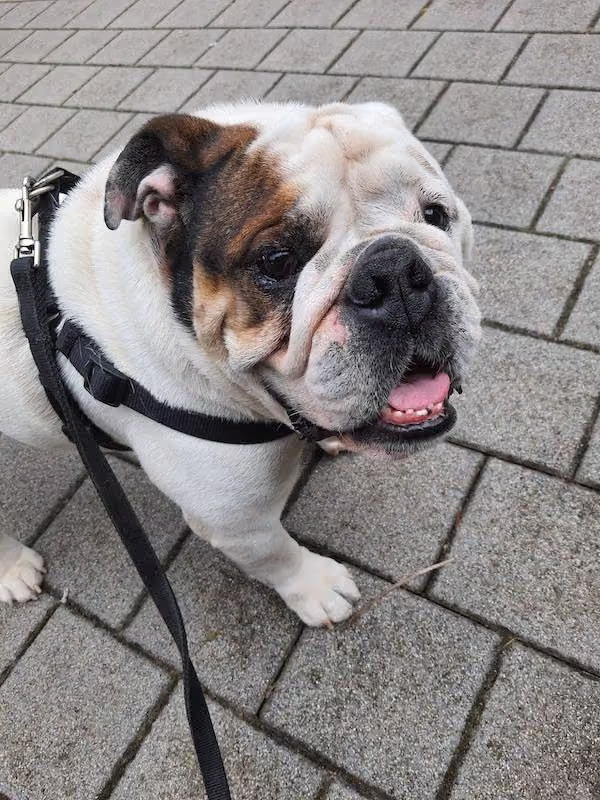
Close-up of an English Bulldog's wrinkled face and folds

Those wrinkles need actual maintenance. The signature folded face is not just cosmetic. Bulldog wrinkles trap moisture, dirt, and bacteria if left alone, which means a quick wipe-down of the facial folds a few times a week is non-negotiable, not optional. Skip it and you're looking at skin infections that are unpleasant for the dog and unpleasant to treat. The upside is that grooming a bulldog is otherwise refreshingly simple: short coat, minimal shedding compared to double-coated breeds, and no professional trims required.
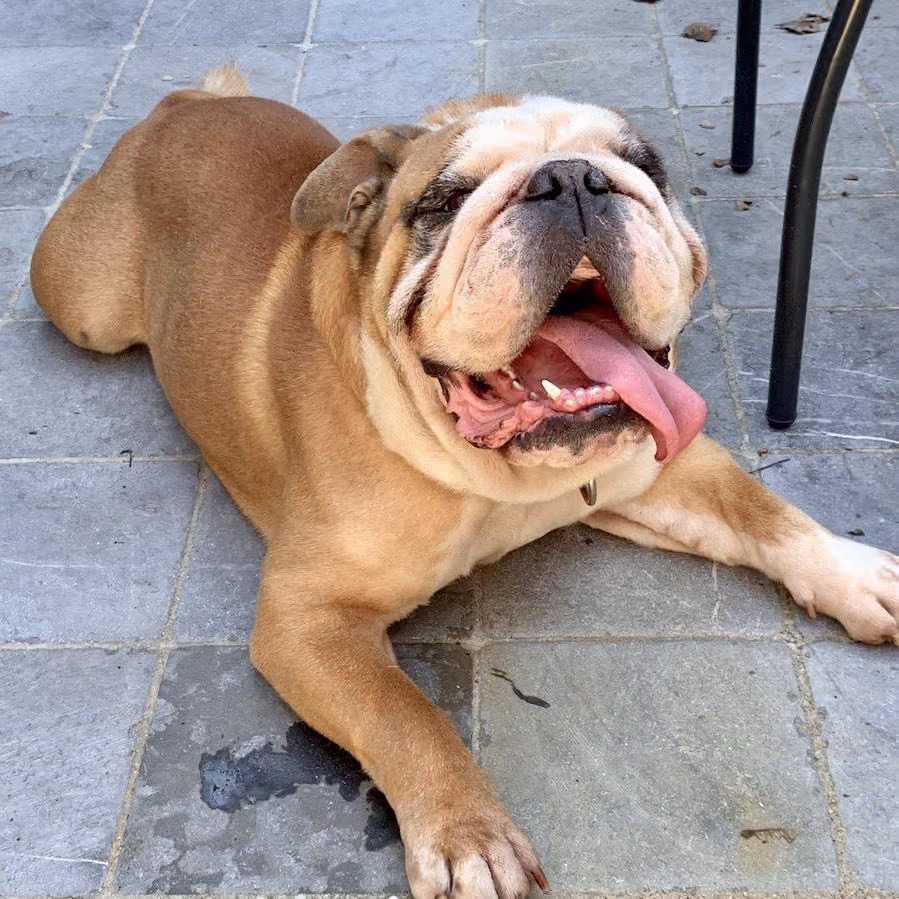
English Bulldog lying down and panting heavily to cool off

Heat is the enemy, not exercise. Because of their short muzzles, bulldogs are brachycephalic, meaning they can't pant off heat as efficiently as longer-nosed breeds. This doesn't mean they can't exercise — it means timing matters. Short, cool-weather walks and indoor play sessions keep a bulldog fit without risking overheating. Owners who assume "lazy breed" means "no exercise needed" often end up with an overweight dog, which only makes the breed's joint and breathing issues worse. A trim bulldog is a much healthier bulldog.

The health conversation nobody skips

Any honest guide to bulldogs has to talk about health, because the same features that make the breed so recognisable — the flat face, the compact body, the heavy head — also make it prone to breathing difficulties, joint problems, and skin issues. Reputable breeders now screen heavily for airway health, and prospective owners should ask directly about BOAS (Brachycephalic Obstructive Airway Syndrome) testing before committing. This is a breed where doing your homework before adoption genuinely changes the dog's quality of life.

None of this makes the bulldog a bad choice. It makes it a breed that rewards owners who stay engaged with a vet, keep weight in check, and pick breeders carefully. Most bulldogs living with attentive owners have long, comfortable, thoroughly spoiled lives.

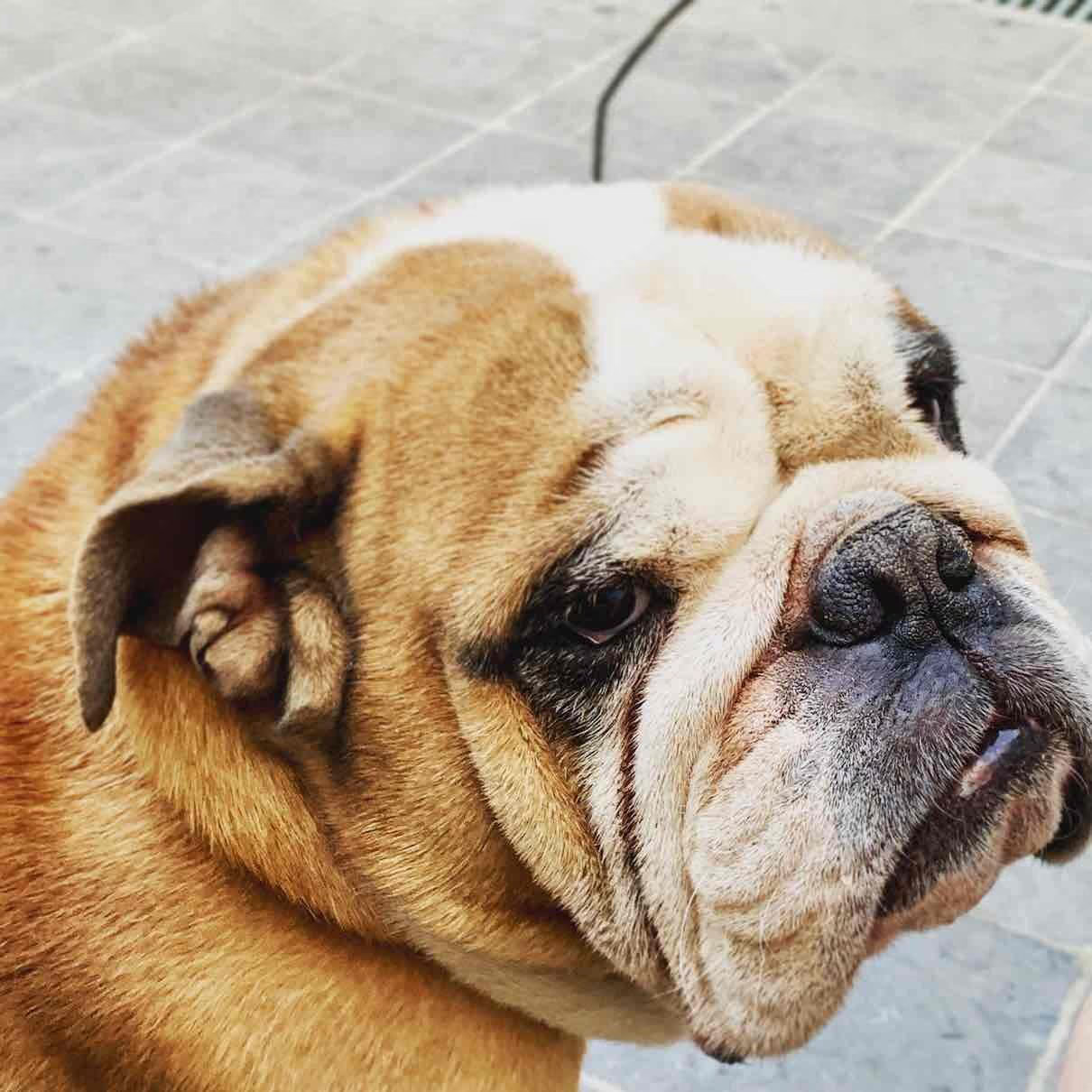
Close-up of a calm, resting English Bulldog face

Is the bulldog right for you?

If you want a dog that's content in an apartment, unbothered by most chaos, and permanently on-brand for "grumpy but loyal," the bulldog is hard to beat. They're famously good with children, tend to get along with other pets, and have almost no interest in being anywhere other than wherever you are. What they ask for in return is a commitment to their health: attentive vet care, weight management, and a breeder who takes airway and joint health seriously.

Get that part right, and you'll have a dog whose entire personality can be summed up as: unbothered, devoted, and always up for a nap.